What Materials Can Be Powder-Coated?
You want a durable, long-lasting finish for your metal project, but you’re not sure if powder coating will work for your material. This finishing method offers excellent protection and visual appeal for many substrates. If you’ve asked yourself, “What materials can be powder-coated?” Cyrious Metal Works is here to help you understand your options.
Common Metals That Work Best With Powder Coatings
The powder coating process works exceptionally well on metals that can conduct electricity and withstand high curing temperatures. Most metal surfaces can accept powder coating successfully when properly prepared. Steel components and aluminum parts are among the most popular choices for this protective finish.
Stainless steel is a popular choice. It has a high melting point, excellent strength, and holds an electrostatic charge effectively. Aluminum also performs well, though it requires special attention during surface preparation.
Brass and copper can be powder-coated, too. These metals are often used for decorative applications like lighting fixtures and architectural accents. They need careful cleaning to remove tarnish before the coating process begins.
How Surface Preparation Affects Results
Understanding what materials can be powder-coated successfully depends largely on proper preparation. The substrate must be completely clean before applying any powder. Oils, grease, dirt, and rust will prevent the coating from adhering correctly, so cleaning first is essential.
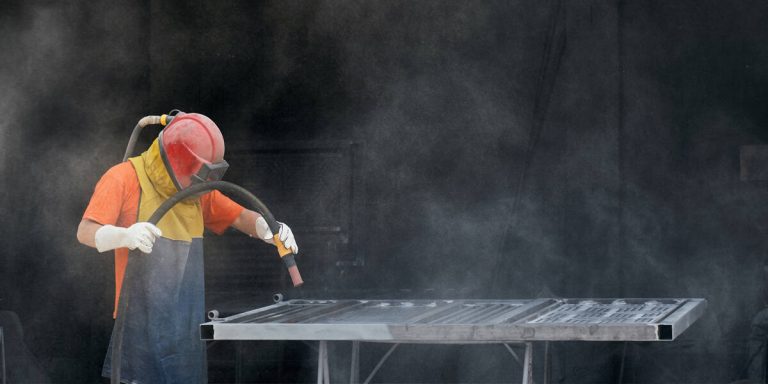
For steel, the preparation typically involves degreasing followed by sandblasting or phosphating. This creates a surface profile that helps the powder bond securely. Aluminum requires cleaning, etching, and a conversion coating to achieve the best results.
Powder coating generally has a lower environmental impact than liquid paint because it produces little to no volatile organic compounds. Proper surface preparation also helps reduce waste and ensures a consistent finish.
Non-Metal Options and Limitations
Recent advancements have expanded what materials can be powder-coated beyond traditional metals. Some plastics, wood, and MDF can now receive powder coatings with special techniques.
These materials require low-temperature powders or UV-cured options. Standard powder coatings cure at 350 to 400 degrees Fahrenheit, which would damage heat-sensitive substrates. Special formulations cure between 212 and 284 degrees Fahrenheit instead.
Consider these factors for non-metal powder coating:
- Heat tolerance: The material must withstand curing temperatures without melting or warping.
- Electrical conductivity: Non-conductive materials need special preparation to hold an electrostatic charge.
- Cost effectiveness: The specialized processes for plastics may increase project expenses significantly.
- Surface smoothness: Wood and MDF work best when they have smooth, even surfaces.
Cyrious Metal Works Delivers Quality Powder Coating Solutions
Understanding what materials can be powder-coated helps you choose the right finish for your project. Most metals work excellently, while some non-metals can work, but they require specialized approaches.
Cyrious Metal Works provides expert powder coating services for a wide range of materials. We specialize in delivering durable, attractive finishes that stand up to demanding conditions. Learn more about the benefits of powder coating and how it can protect your investment.
Call Cyrious Metal Works today at (903) 345-1841 to discuss what materials can be powder-coated for your next project.