Understanding the Difference Between Wet and Dry Sandblasting
Choosing the wrong blasting method can leave you with a damaged surface, wasted abrasive media, and a job that needs to be started over.
Whether you’re stripping rust, prepping metal for a new finish, or cleaning industrial equipment, the method matters. The debate over wet sandblasting versus dry sandblasting comes down to your surface, your space, and your end goal. Both use basic sandblasting principles to clean and prep surfaces, but they work very differently.
In this guide, Cyrious Metal Works will explain wet and dry sandblasting to help you decide.
What Is Dry Sandblasting?
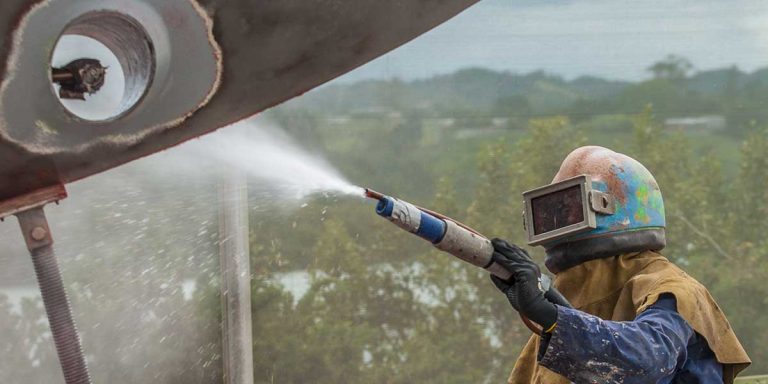
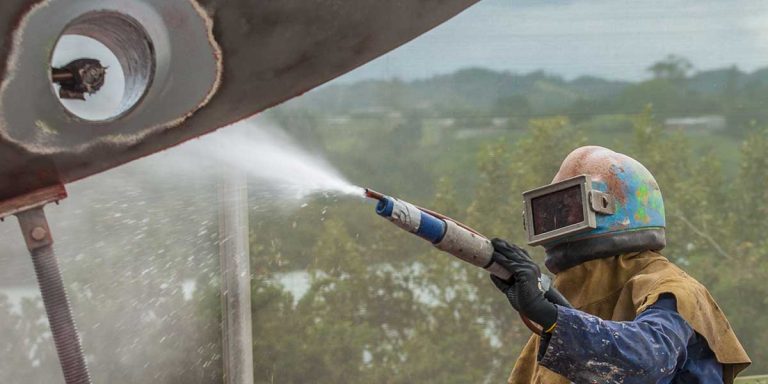
Dry sandblasting propels abrasive media using compressed air, stripping rust, paint, mill scale, and other contaminants fast. It’s the standard method for heavy-duty material removal on large metal structures.
Common abrasive media options in dry sandblasting include:
- Steel grit: Best for thick rust and scale on heavy steel
- Aluminum oxide: Ideal for surface finishing and creating strong anchor profiles
- Garnet: A versatile, recyclable media suited for general surface preparation
- Glass beads: A lighter option that produces a smooth, polished result
A key tradeoff in the wet sandblasting versus dry sandblasting decision is dust. Dry blasting generates significant airborne debris, so dust suppression and containment are essential for safety.
What Is Wet Sandblasting?
Wet sandblasting, also called vapor blasting, mixes water directly into the abrasive stream before it hits the surface. That moisture binds the particles together, cutting down on airborne dust dramatically.
This makes it the smarter option for enclosed spaces, dust-sensitive environments, or surfaces needing gentler treatments. The moisture also cools the surface during blasting, reducing the risk of warping on thinner metals.
Vapor blasting produces a finer, more consistent texture than dry methods, making it popular for automotive restoration and precise surface finishing. For a broader look at blasting techniques, this comparison of sandblasting versus sodablasting is a useful reference.
Wet Sandblasting vs. Dry Sandblasting: Which Should You Use?
When comparing wet and dry sandblasting, the core difference is speed versus precision. Dry blasting is more aggressive, creating rough anchor profiles that coatings need to bond to. Wet blasting is gentler, cleaner, and better suited for delicate or detailed work.
Consider these three criteria before choosing a method:
- Surface type: Heavy-gauge steel suits dry blasting; thinner or delicate parts work better with wet
- Environment: Open industrial settings work for dry blasting; enclosed or dust-sensitive spaces call for vapor blasting
- Finish goal: A rough profile for coating adhesion favors dry blasting, while smooth surface finishing points to wet
Neither wins outright. The right choice depends on your material, workspace, and the result you’re after.
Get the Right Finish With Cyrious Metal Works
Understanding wet sandblasting versus dry sandblasting means you can approach any surface preparation job with confidence. We offer professional blasting and surface preparation services tailored to your project. Explore the benefits of sand blasting and see how it can extend the life of your metal surfaces.
Ready to get started? Call Cyrious Metal Works at (903) 329-2791 for expert wet and dry sandblasting services in the Whitewright, TX, area.