What Materials Are Suitable for Laser Cutting?
Have you ever wondered, “What materials can a laser cutter cut?” before starting a project? The answer might surprise you. If you’re considering laser cutting services for your next project, understanding which materials work best can help you make informed decisions.
Here, Cyrious Metal Works shares suitable materials to help you choose the right equipment for your needs.
Understanding Laser Cutting Capabilities
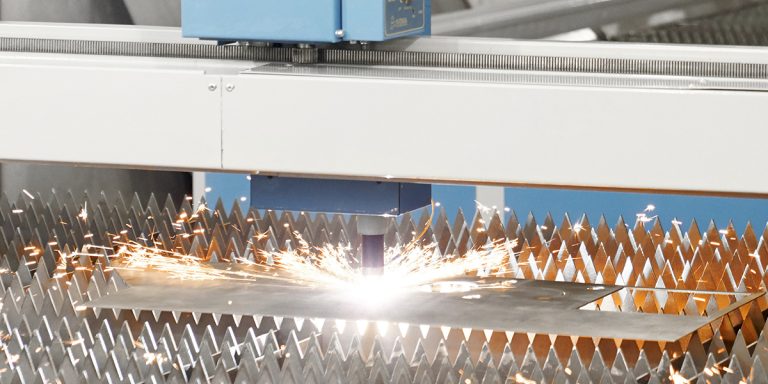
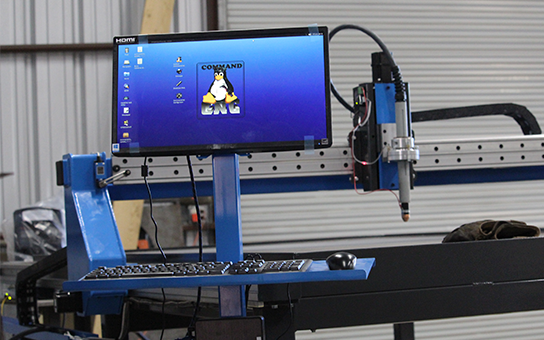
Laser cutting technology has advanced significantly, allowing manufacturers to work with an impressive range of materials. The process uses concentrated light beams to melt, burn, or vaporize material along precise cut lines.
This is only a simplified explanation of how lasers work, though. It’s also helpful to know that different laser types excel with various materials.
Common Materials for Laser Processing
What materials can a laser cutter cut? Numerous choices exist across several categories. Each material type responds differently based on its composition and thickness, so selecting the right material ensures optimal results and cost-effectiveness.
Metals for Laser Cutting
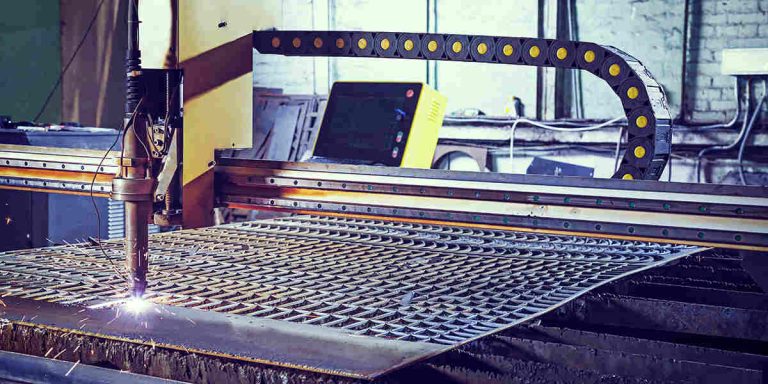
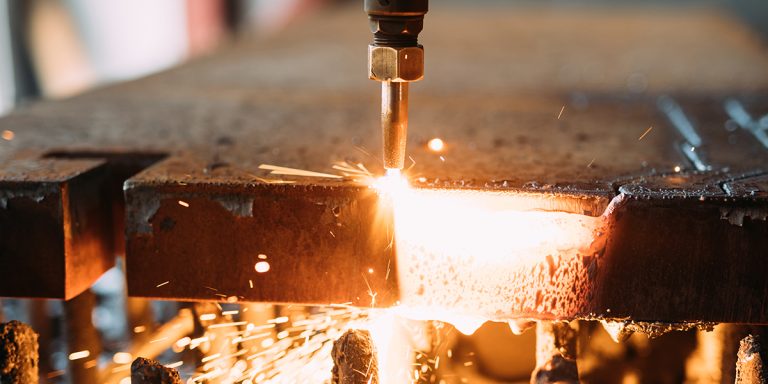
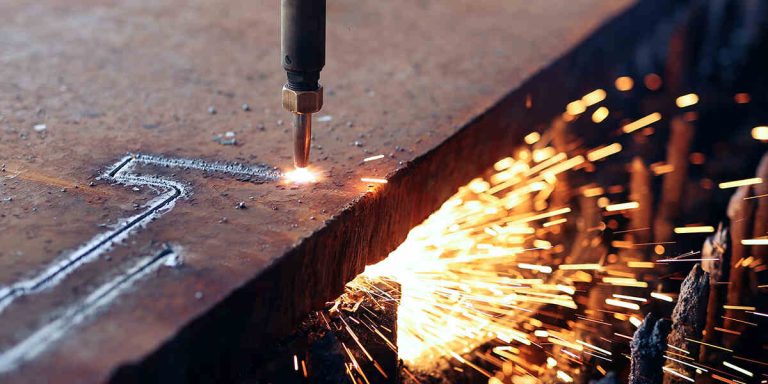
Metals are among the most popular materials for industrial applications. Steel, stainless steel, aluminum, brass, and titanium can all be processed effectively. High-powered industrial laser systems can cut very thick steel, though most commercial applications focus on thinner sections.
Consider these popular methods:
- Reactive laser cutting uses oxygen jets for steel and titanium.
- Fusion cutting employs nitrogen and argon mixtures.
- Reflective metals like aluminum and copper are most efficiently processed using fiber lasers.
Wood, Paper, and Cardboard
Natural materials cut exceptionally well with laser technology. Wood varieties, including plywood, MDF, balsa, and basswood, are all suitable options. Plywood requires higher power settings for clean cuts with minimal charring.
Paper and cardboard offer clean, precise cuts with minimal heat-affected zones. These materials are perfect for intricate designs and packaging prototypes.
Plastics and Acrylic
Many plastics work beautifully with laser cutters. Acrylic produces polished, glass-like edges and is one of the most cost-effective materials to cut. You can process cast and extruded acrylic sheets.
POM (Delrin), polyimide, and thin PETG sheets also yield excellent results. However, you should avoid PVC, polycarbonate, and ABS, as these materials release toxic fumes.
Additional Suitable Materials
When exploring the answer to “What materials can a laser cutter cut?” know that the list continues on. For example, leather creates clean cuts, while ceramic tile, marble, stone, and glass can all be etched or marked.
Other suitable options include:
- Cork
- Foam
- Rubber
- Cotton
- Silk
- Wool
Material Safety Considerations
You must always verify material composition before laser cutting. Some materials pose serious health risks or can damage expensive equipment. For instance, PVC releases chlorine gas that corrodes machine components.
Proper ventilation systems are mandatory for most materials. Fire suppression equipment should remain accessible during all operations.
Cyrious Metal Works: Your Laser Cutting Partner in Whitewright
Now that you know the answer to “What materials can a laser cutter cut?” you can confidently plan your next manufacturing project. At Cyrious Metal Works, we specialize in precision laser cutting services for a wide variety of materials.
Our experienced team understands the nuances between plasma cutting and laser cutting. For expert laser cutting services in Whitewright, call Cyrious Metal Works today at (903) 623-6766.