10 Different Types of Abrasive Blasting
Getting a clean, smooth finish on metal parts depends on your blasting method. For example, rust removal requires one approach and surface smoothing another, while coating prep is something entirely different. Cyrious Metal Works walks through the different types of abrasive blasting, what each delivers, where it excels, and how to match the proper technique to your specific material or project.
Uses and Applications of Abrasive Blasting
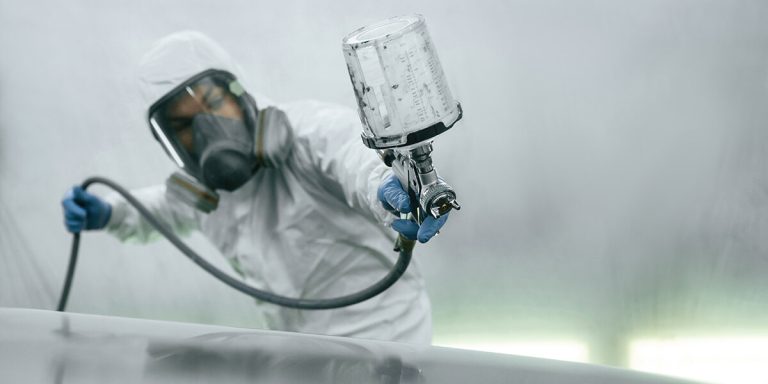
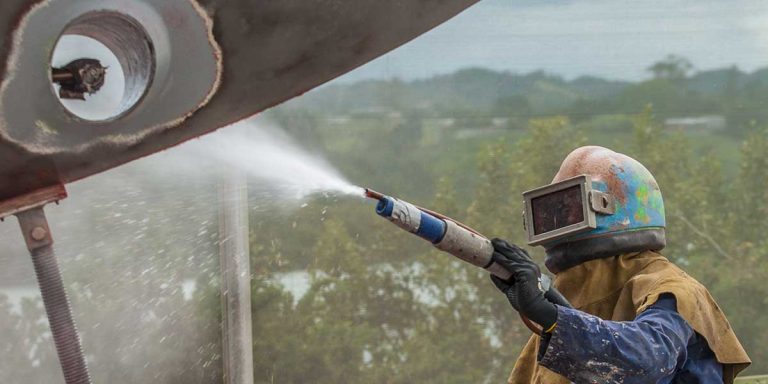
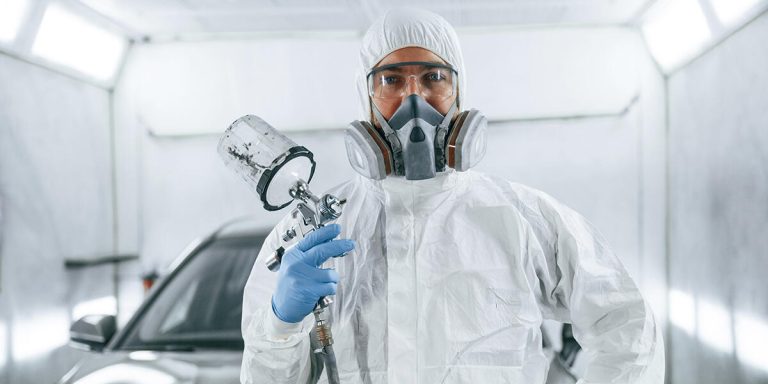
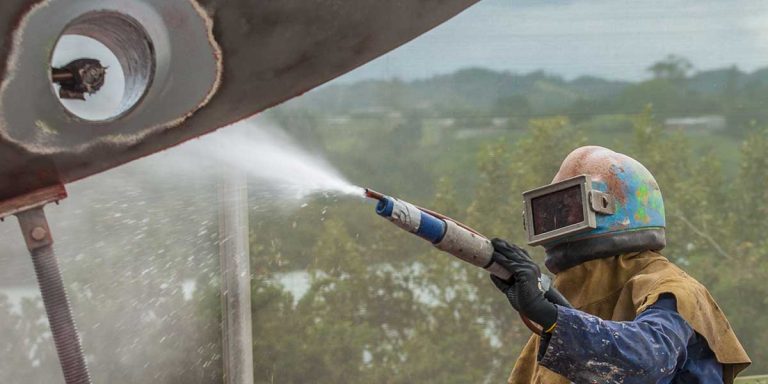
Abrasive blasting, also known as sandblasting, cleans and prepares surfaces by shooting abrasive material at high speed. It handles many jobs, from paint prep and food equipment cleaning to graffiti removal and bridge maintenance. Different abrasives work for different tasks, which makes it both efficient and eco-friendly.
Types of Abrasive Blasting
Abrasive blasting offers multiple methods for cleaning and preparing surfaces.
1. Sand Blasting
This traditional method shoots silica particles through compressed air, stripping rust and contaminants fast. But silica dust creates serious health hazards, so most regions now restrict or ban it outright.
2. Wet Blasting
Using water dramatically reduces airborne dust, while the water-abrasive combination cleans surfaces and contains the mess. While safer to use, the slurry waste needs proper handling.
3. Vacuum Blasting
This dustless technique captures and recycles abrasives instantly through a vacuum system. It minimizes environmental debris and saves money on materials. The recycling process slightly slows down the overall operation.
4. Shot Blasting
This method uses a spinning wheel to propel abrasives rather than compressed air. It gives consistent results and handles large projects well. The equipment stays in one place, so it’s less portable than other types of abrasive blasting.
5. Soda Blasting
Sodium bicarbonate offers a gentler cleaning alternative for delicate surfaces. The powder shatters on contact without causing damage, which makes it ideal for chrome, plastic, and glass.
6. Steel Grit Blasting
Steel particles deliver powerful cleaning for demanding jobs. This method quickly strips paint while strengthening the metal surface. The result is smooth finishes ideal for industrial applications.
7. Bristle Blasting
Rotating wire bristles physically scrub surfaces clean without projectile materials. This direct contact method delivers precise, uniform results. It works exceptionally well on corroded metal surfaces.
8. Dry Ice Blasting
Frozen carbon dioxide pellets clean through thermal shock rather than abrasion. The pellets evaporate immediately, leaving no residue. This non-toxic approach safely cleans sensitive electronic and food processing equipment.
9. Plastic Media Blasting
Plastic particles gently remove coatings without damaging the base material. This careful approach suits aerospace and composite components perfectly. The media can be reused several times.
10. Bead Blasting
Glass beads create bright, uniform finishes on metal surfaces because their spherical shape produces uniform micro-dimples. These recyclable beads are safe and environmentally friendly.
Get Started With Professional Abrasive Blasting
Understanding the different types of abrasive blasting helps you pick the most suitable approach for your project. The benefits of sand blasting include removing rust, preparing surfaces, and improving coating adhesion. Your choice of medium affects results, dust levels, and environmental impact. Contact Cyrious Metal Works today at 903-345-1841 to discuss our sandblasting services and get your free estimate.