What Is Sand Blasting? A Guide
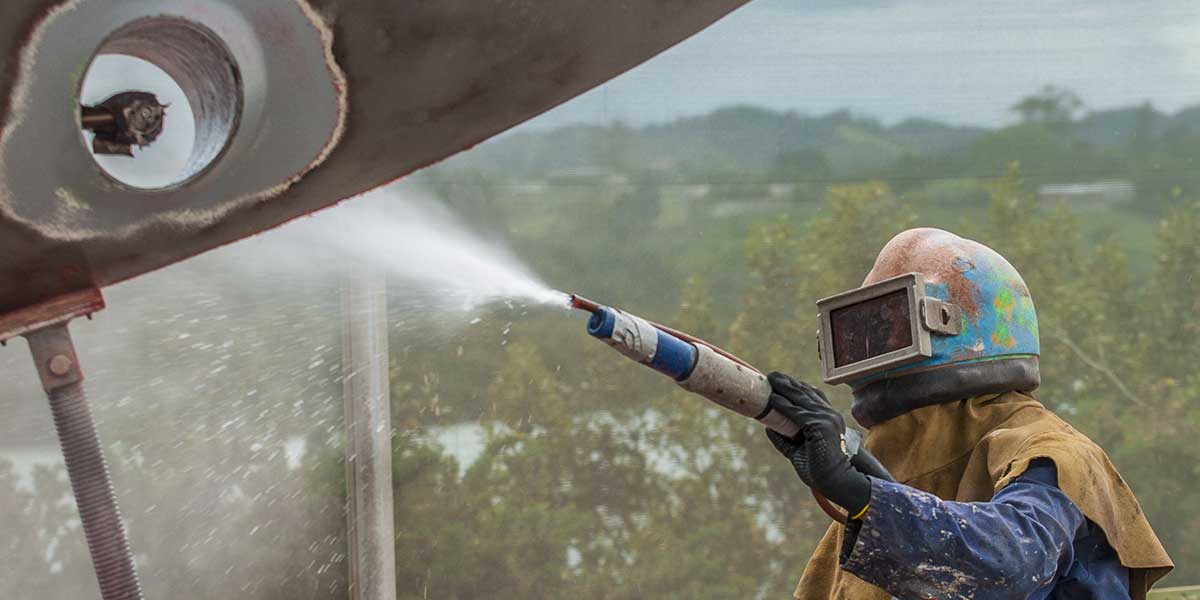
Sand blasting is an abrasive blasting process that uses compressed air to shoot particles to clean surfaces and strip away rust or paint. Modern sand blasting rarely uses actual sand due to health risks. Cyrious Metal Works explores how this surface preparation method works and why it’s useful.
Sandblasting Uses and Applications
This abrasive blasting technique is used across many industries. Automotive shops use it for rust removal from vehicle frames and stripping old paint before refinishing. Construction teams clean concrete surfaces, remove graffiti, and prepare walls for painting. Manufacturing facilities clean machinery parts and restore equipment.
The process also creates decorative patterns on glass and prepares wood for new finishes. Metal shops rely on it for surface preparation before welding or applying coatings.
Sand Blasting Equipment
A basic sandblasting system needs several key parts. The blast pot holds the blast media in a pressurized chamber. An air compressor supplies the compressed air that shoots the abrasive materials at high speed.
The nozzle aims the media stream at the target surface. You also need pressure gauges to control blast strength, protective cabinets to contain dust, and portable units for outdoor work.
Sandblasting Media
Today’s professionals avoid actual sand and choose from different blast media options:
- Glass beads handle delicate cleaning and create smooth finishes
- Aluminum oxide removes heavy rust and tough coatings
- Crushed glass offers an eco-friendly choice for paint removal
- Steel grit provides the strongest action for industrial jobs
- Walnut shells and baking soda work gently on sensitive surfaces
Each type has different hardness levels that match specific cleaning needs.
The Sand Blasting Process Explained
What is sand blasting, and how does it work? The process begins by checking the material and choosing the right equipment. Once preparations are complete, operators protect the surrounding area before loading media into the chamber.
Compressed air then mixes with the abrasive material and shoots through the hose. This mixture exits the nozzle at high speed, striking the surface with considerable force.
The operator moves the nozzle in steady, controlled patterns to ensure even coverage and adjusts pressure based on the surface type and desired results. Operators periodically check their work to maintain quality standards before completing the job with a thorough cleanup.
Benefits of Sandblasting
This surface preparation method offers clear advantages:
- Works three times faster than hand sanding
- Avoids harmful chemicals
- Creates an even finish with the right texture for protective coatings to stick properly
- Costs less because blast media is cheap and reusable
- Completely removes rust, old paint, and grease
- Handles different jobs from delicate glass work to heavy steel cleaning
The tiny scratches from blasting help new finishes bond well to metal, wood, and concrete, while thorough cleaning protects your protective coating and extends its lifespan.
Start Your Sandblasting Project
You’ve learned what sandblasting is and how it helps with removing rust and cleaning metal. Need it done right? At Cyrious Metal Works, we handle sandblasting, welding, and fabrication work in Grayson County, Texas. Call us at 903-345-1841 for your free quote.