What Is the Kerf of a Plasma Cutter?
Have you ever wondered how precise a plasma cutter really is? Kerf is one of the most important factors to consider.
As a long-serving provider of tailored precision cutting products and services, we at Cyrious Metal Works know a thing or two about making clean, efficient fabrications. Keep reading as we lend some insight.
What Exactly Is Kerf?
What is the kerf of a plasma cutter? Before we dive into specific measurements, think of kerf as the width of material removed during a cut. It’s the gap or channel left behind by a tool as it passes through.
In the past, people used it to describe how much wood a specific saw removes. The kerf is typically wider than the blade because of its teeth, which have a natural bend to prevent the tool from binding in the cut.
We can apply the same concept to more modern applications like Computer Numerical Control (CNC) shape cutting. Kerf is the cutting width of material removed during the process.
Why Does Kerf Matter?
When using a plasma cutter, you naturally want the final dimensions of each part as close to the programmed shape as possible.
As an example, you set the CNC system to create a 10” x 10” square. If the plasma arc removes 0.2” of material as it cuts, you would get a 9.8” x 9.8” square instead. You need to compensate by moving the tool path slightly outward.
Most modern software automatically adjusts the cutting path for you. That’s why many also refer to the kerf value as the “kerf offset.”
Different Cutting Process, Different Kerfs
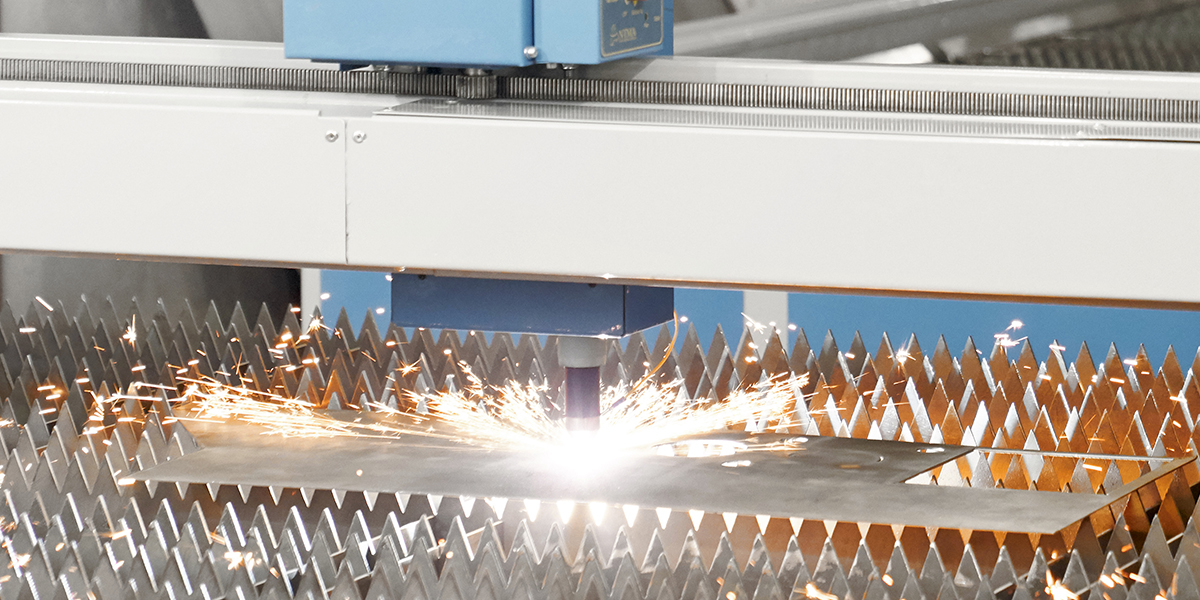
So, what is the kerf of a plasma cutter? The smallest value you can typically obtain is 3.8 mm. As the name suggests, this technique leverages high-temperature plasma arcs to melt and cut materials.
Let’s compare it with other methods:
- Laser cutting: Small, focused beams produce a kerf of around 0.3 mm, the smallest width when compared to other common approaches. They work best for thin materials, intricate designs, or for anyone who wants to avoid the need for secondary finishing.
- Waterjet cutting: Powerful machines concentrate water on specific points to make impeccable cuts for materials with low heat tolerance or a larger heat-affected zone. Many have a 0.9 mm kerf value, but they’re pretty expensive.
- Oxy-fuel cutting: This method uses a mixture of oxygen and fuel to produce a high-temperature flame capable of cutting through thick steel. It produces a kerf of around 1.1 mm.
Plasma cutters might have the highest average kerf values, but they make up for it in several ways. You can use them to cut a wide range of items, including aluminum and stainless steel, at a varying material thickness. They also work at a faster pace than most methods.
Sourcing Premium Plasma Cutters for Efficient Fabrications
What is the kerf of a plasma cutter? This value can change depending on various factors. If you want to find a system that works best for your projects, Cyrious Metal Works has you covered.
Call (903) 364-6100 today or read our blog post on programming a plasma cutter.