What Is Outgassing in Powder Coating?
Getting perfect powder coating may seem easy, but it actually takes a decent amount of practice and careful steps to get it right. As a manufacturer, you need your parts to come out smooth and clean with no tiny holes or ugly spots that ruin the finish.
What is outgassing in powder coating, and how can you avoid it? Cyrious Metal Works examines the causes below to help you succeed.
Understanding the Outgassing Phenomenon
Outgassing occurs when trapped gases escape from the substrate during the curing process. These gases create bubbles that burst through the coating surface, causing visible defects that compromise appearance and protection. Different materials release gases at different rates depending on their porosity and composition.
Common Sources of Gas Entrapment
Several factors contribute to gas entrapment in powder coating applications. Surface contamination from oils, moisture, or cleaning residues creates pockets of trapped gases. Manufacturing processes like welding or machining can also introduce contaminants into the metal surface. Cast iron and aluminum parts are particularly prone to these issues because of their porous nature.
How Pinhole Formation Occurs
When gases escape during curing, they create tiny holes called pinholes. These coating defects appear as small craters across the finished surface. The timing of gas release determines the severity of these imperfections. Early gas release creates larger defects while late release produces smaller pinholes that may be harder to detect.
Critical Substrate Preparation Steps
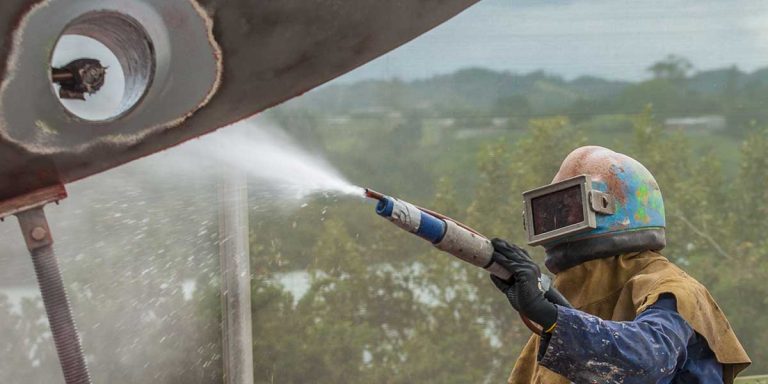
Proper substrate preparation prevents most outgassing issues before they start. Clean surfaces thoroughly to remove all traces of oils, dirt, and moisture. Use appropriate cleaning solvents and ensure complete drying before coating application. Sandblasting or chemical etching can remove surface contaminants embedded deep within the substrate material.
The Role of Prebaking in Prevention
So, what is outgassing in powder coating exactly? It’s the release of trapped gases that creates surface defects during the heating phase.
Prebaking the substrate removes moisture and volatile compounds before powder application. Heat the parts to 200-250°F for 15-30 minutes, depending on material thickness. This process drives out trapped gases that would otherwise cause problems.
Thicker sections require longer prebaking times to ensure complete moisture removal throughout the material.
Optimizing Your Curing Process
Temperature control during the curing process significantly affects outgassing occurrence. Gradual heating allows gases to escape before the coating fully melts and flows, while rapid temperature changes trap gases beneath the coating surface. Consider using lower initial temperatures with extended ramp times for problematic substrates.
Surface Inspection and Quality Control
Regular inspection helps identify outgassing patterns and their root causes. Document problem areas and trace them back to preparation or curing issues. This data helps refine your process for consistent results. Use magnification tools to detect early signs of outgassing before defects become severe.
Expert Powder Coating Solutions
Understanding what is outgassing in powder coating helps prevent costly defects and rework. Avoiding powder coating mistakes starts with proper surface preparation and prebaking techniques. Trust Cyrious Metal Works for expert powder coating solutions that deliver flawless finishes. Get your free estimate when you call 903-345-1841 today.