How To Minimize the Heat-Affected Zone in Plasma Cutting
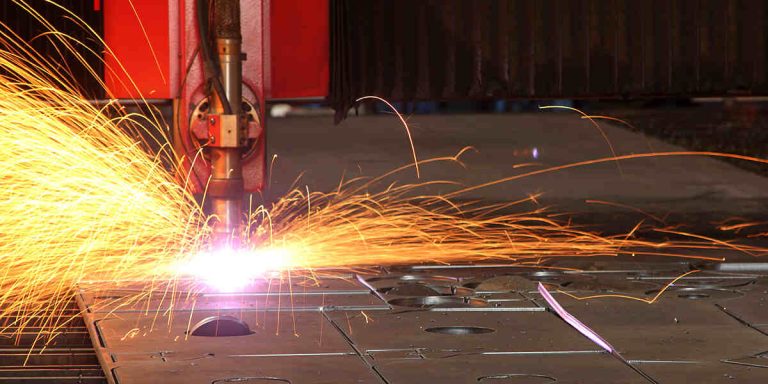
CNC plasma cutting makes your metal fabrication work easier, but it does come with a few challenges that may compromise the quality of results. One common issue you’ll experience is the heat-affected zone.
This phenomenon affects the microstructure and metals during thermal cutting or welding. In the end, your materials can become weaker and less durable.
Don’t let that give you a headache. At Cyrious Metal Works, we draw on our years of experience in providing the best plasma cutter equipment to help you reduce the plasma cutting heat-affected zone and its effects on your fabrication projects.
What Factors Influence the Plasma Cutting Heat-Affected Zone?
The first step to minimizing the effects of the heat-affected zone (HAZ) on your materials’ hardness, tensile strength, and corrosion resistance is to understand the three factors that influence its size and characteristics:
- Thermal diffusivity: The speed at which the material you’re cutting conducts heat can impact the size of the heat-affected zone. If the metal conducts heat quickly, it’ll cool down faster and cause a smaller HAZ.
- Heat input & exposure duration: The more heat you apply and the longer the exposure, the larger the HAZ you’ll get.
- Cutting and welding techniques: Different methods have different impacts on the HAZ.
Tips for Minimizing the Heat-Affected Zone in Plasma Cutting
Thermal-cutting experts say you can’t eliminate the plasma cutting heat-affected zone completely, but you can reduce its formation by following the tips below:
Manage the Heat During Cutting
You can ensure the heat-affected zone remains small by choosing the appropriate settings, such as voltage, current, and speed. The result is controlled heat, which reduces the size of HAZ.
Optimize the Cutting Method
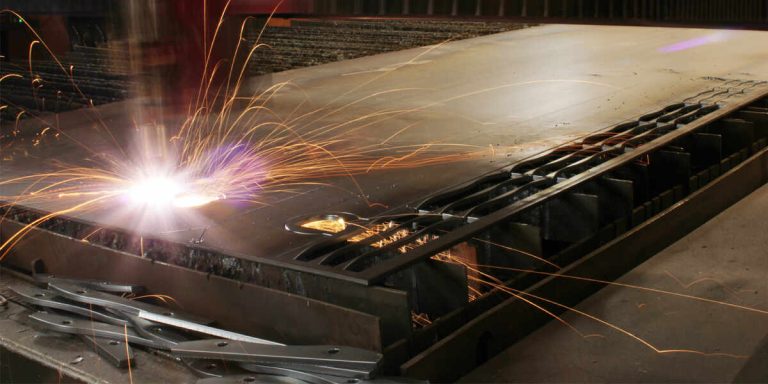
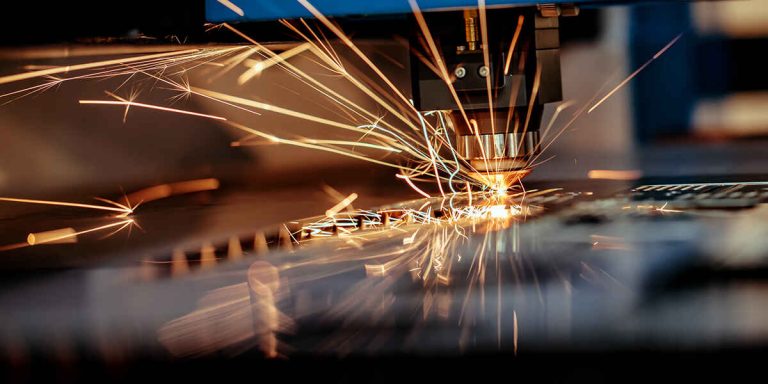
You can significantly reduce the HAZ when you optimize the cutting technique, like plasma cutting or laser cutting. For example, you can adjust the speed and other parameters of plasma cutting so it produces a thinner heat-affected zone.
Control the Cooling Rate
You can prevent the development of brittle phases by managing the cooling rate once you finish plasma cutting. Doing so will help you maintain the desired properties of the heat-affected zone and reduce the risk of cracking.
Mechanical Finishing Can Improve Aesthetics
You can use sandpaper to eliminate the heat tint from oxidation due to high temperatures. Following this process will reveal the layer beneath and promote chromium self-passivation if your metal is stainless steel. Still, the material can potentially weaken.
Contact Cyrious Metal Works for Expert Help With All Your Plasma Cutting Needs
When you implement the above methods, you can prevent distortion, oxidation, corrosion, and other damaging effects of the plasma cutting heat-affected zone. In the end, you’ll have high-quality cuts while the structural integrity of your metals remains intact.
When in doubt about how to reduce the HAZ, like the appropriate plasma cutting speed for various materials, the experts at Cyrious Metal Works can help.
Give Cyrious Metal Works a call at (903) 623-6766 to schedule your free consultation today!